
Caring for Your European Car in Melbourne: The Practical Guide

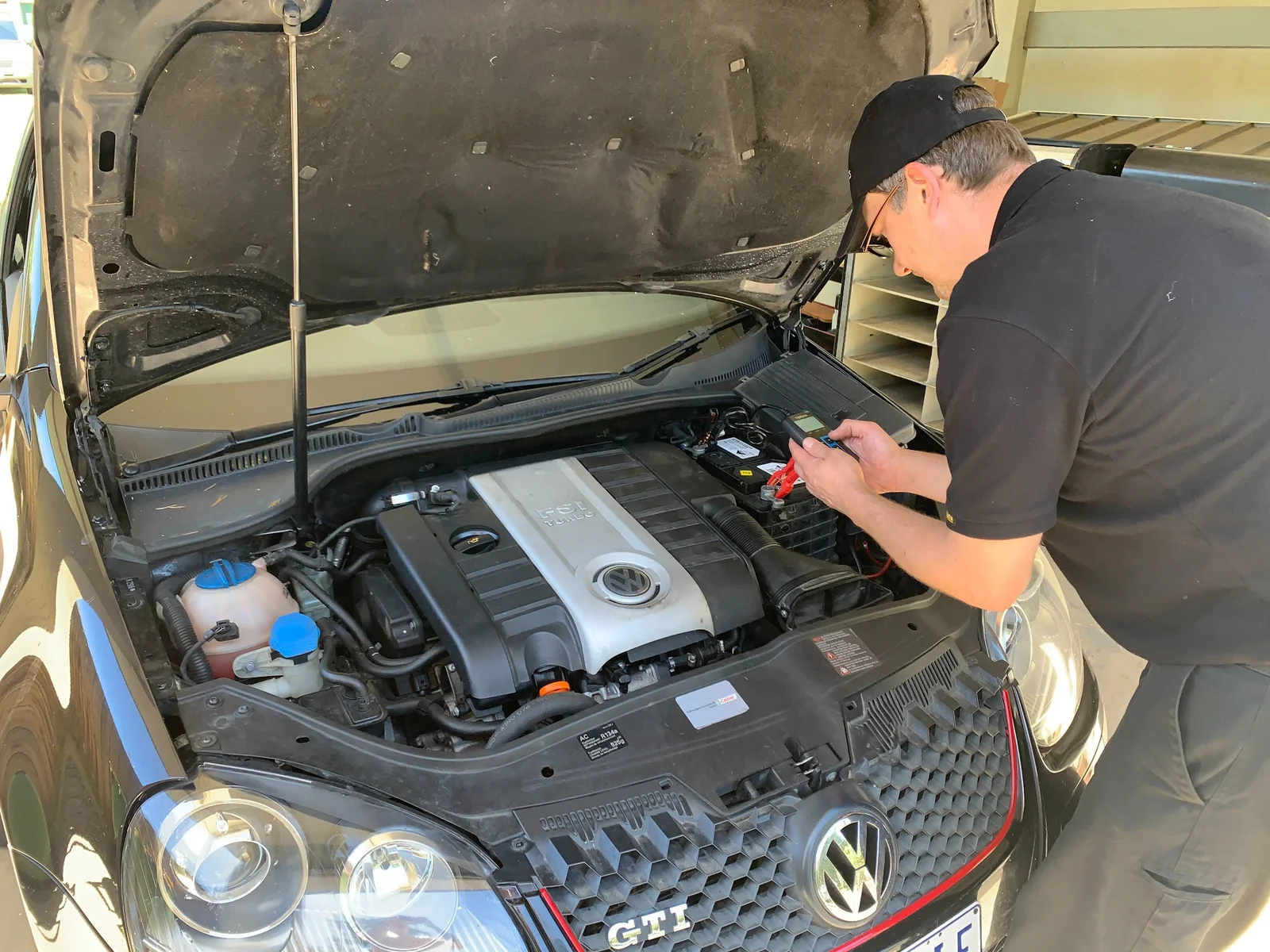
Mechanic performing diagnostic testing on a Volkswagen GTI using an OBD tool in a home workshop.
Caring for Your European Car in Melbourne: A Practical Owner’s Guide
Daska Dynamics Logo
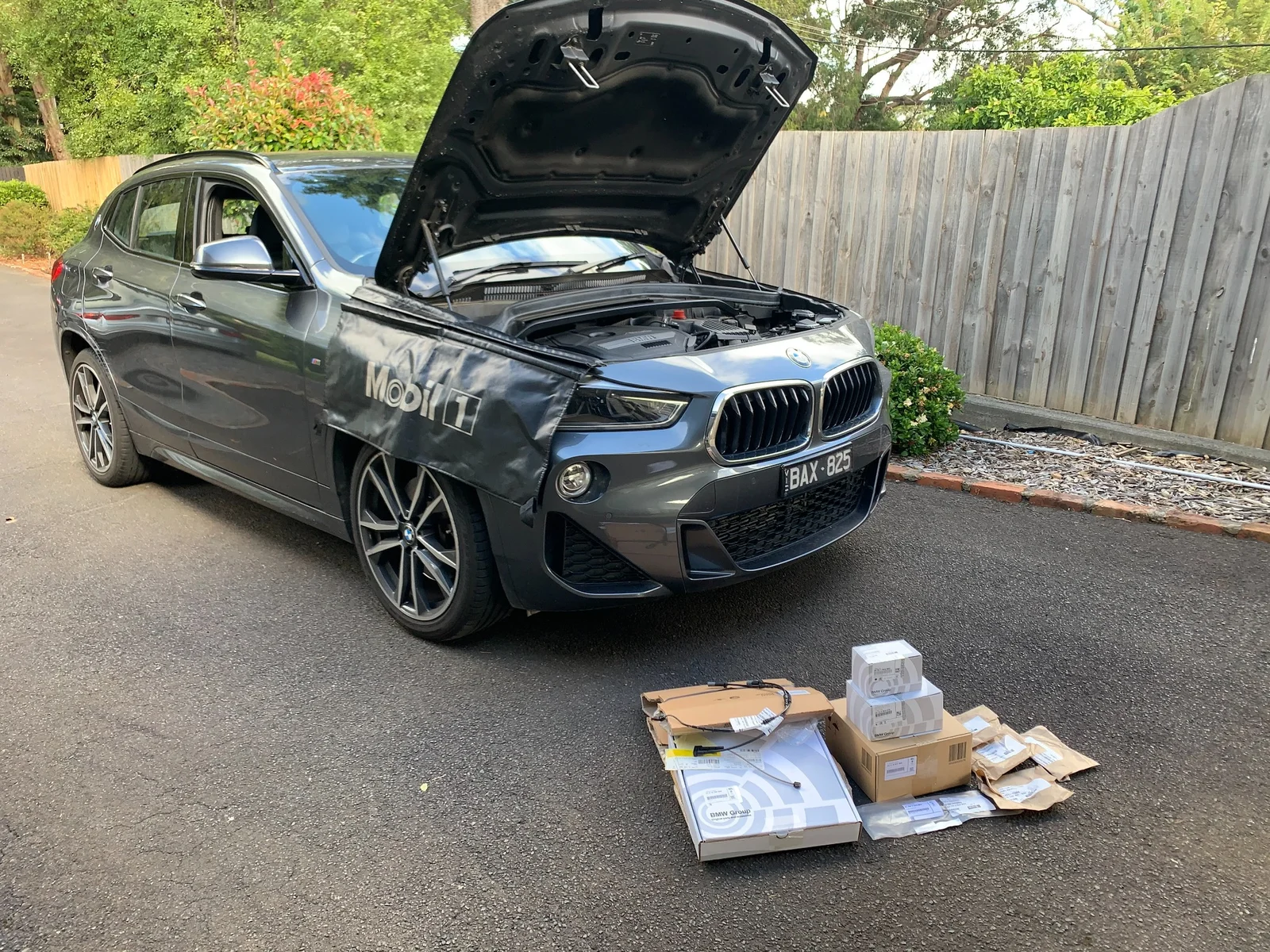
BMW Maintenance

Caring for Your European Car in Melbourne: A Practical Owner’s Guide

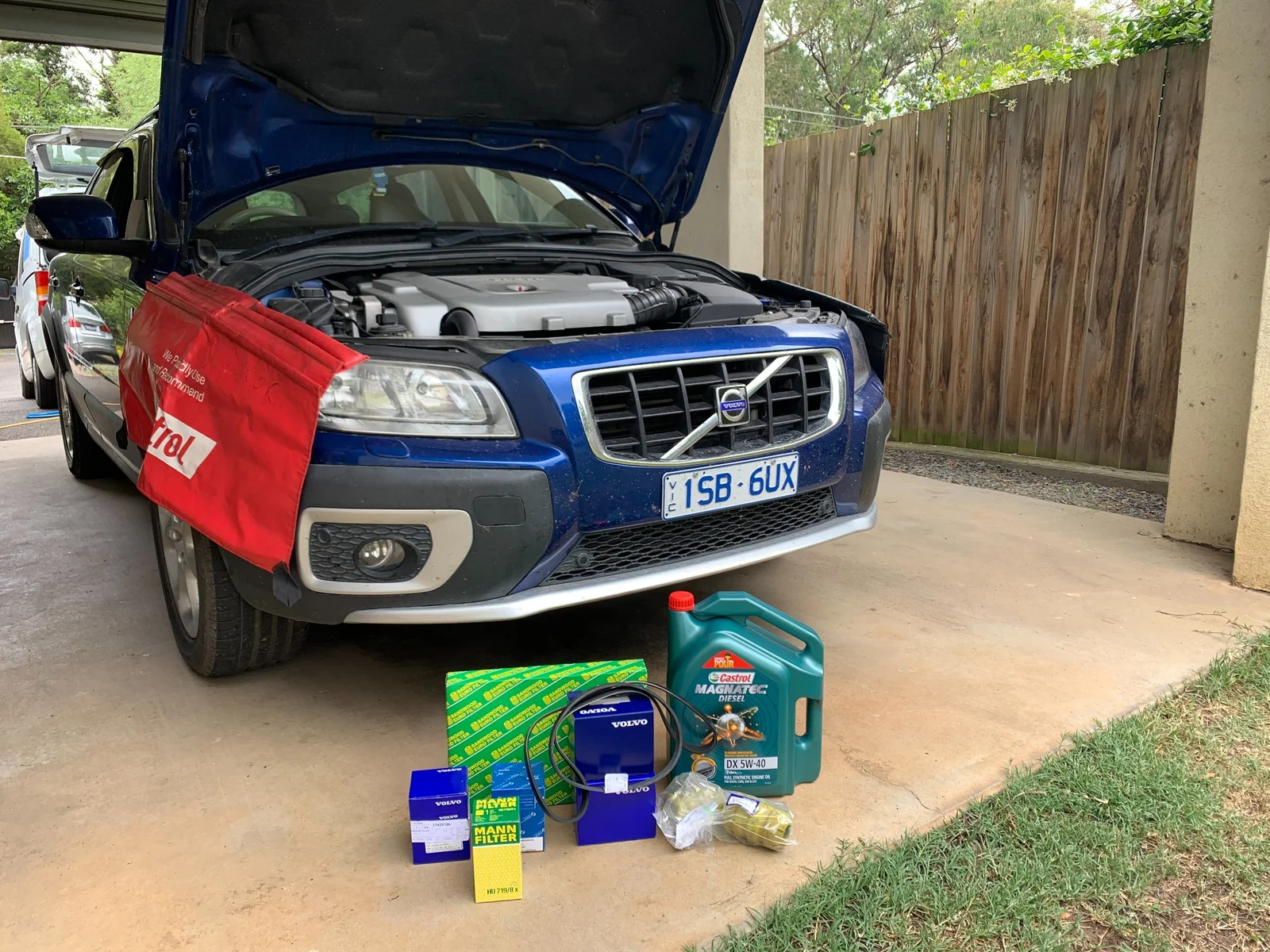
Volvo Service

Melbourne’s famous “four seasons in a day,” tram tracks, speed humps, and stop-start traffic put unique stress on European cars. The good news: with the right fuel, fluids, and a few smart habits, you’ll keep performance sharp and ownership costs predictable.

Key Takeaway

European cars demand precision care. Regular attention to fuel quality, appropriate fluids, and Melbourne-specific challenges will ensure your vehicle performs reliably for years to come.
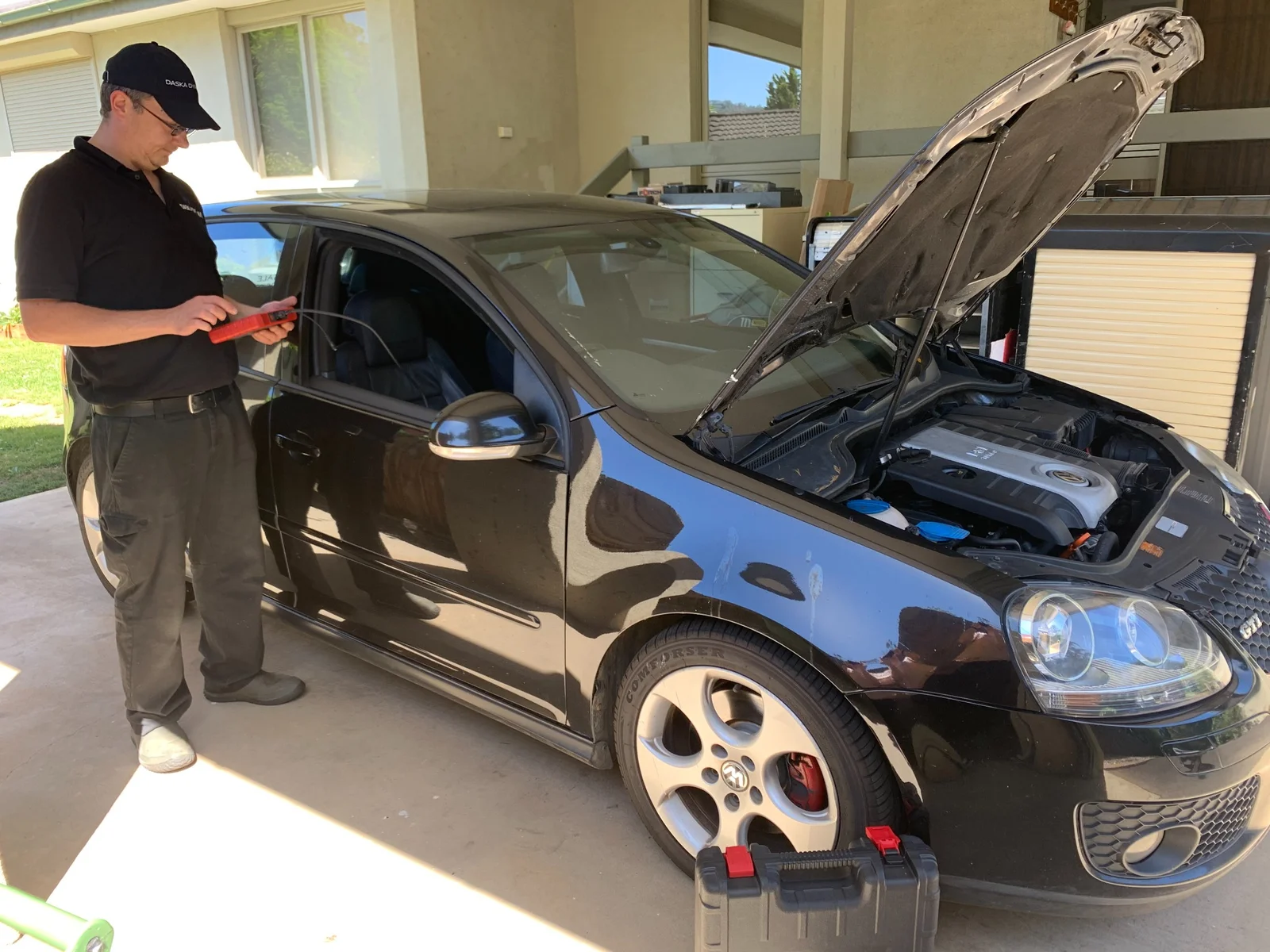
VW Diagnostic

Guide Contents

Fuel & Fluids

  • Octane Requirements
  • Engine Oil Specifications
  • Coolant & Brake Fluid
  • Transmission Oils

Tyres & Alignment

  • XL Tyres & Load Ratings
  • Pressure Checks
  • Alignment After Impact
  • Rotation Schedule

Batteries & Electronics

  • AGM/EFB Batteries
  • Battery Registration
  • Maintenance Charging

Brakes System

  • Pad & Rotor Care
  • Brake Shudder Causes
  • Wear Sensor Monitoring

Cooling System

  • Summer Heat Management
  • Coolant Leak Detection
  • Overheating Prevention

Diesel Specifics

  • DPF Regeneration
  • Low SAPS Oil
  • AdBlue Management

1. Fuel & Fluids (the non-negotiables)

Use the octane your car asks for

  • Most European petrol engines specify 95 RON or 98 RON
  • Check the fuel flap or manual; don’t substitute 91 if higher octane is required
  • E10: Only use if your model is approved; many Euro engines prefer non-E10

Engine oil = approvals, not just viscosity

VW/Audi

504.00 / 507.00

Mercedes-Benz

MB 229.5 / 229.51 / 229.52

BMW

LL-01 / LL-04

The wrong oil can shorten timing component and turbo life.

Coolant & brake fluid

  • Use the correct coolant chemistry (mixing types can gel or corrode)
  • Replace brake fluid every ~2 years (it absorbs moisture and lowers boiling point)

Pro Tip: “Lifetime” transmission fluids often mean “until warranty ends.” Many Euro autos benefit from fluid/filter service at 60–100k km.

2. Tyres, Alignment & Melbourne Roads

Tyre Considerations

  • Many Euro cars run XL (extra load) tyres—fit the right load/speed rating
  • Check pressures monthly (and before highway trips); under-inflation = heat and wear

Road Impact Management

  • After pothole hits or tram-track jolts, get a wheel alignment to prevent edge wear and steering pull
  • Rotate tyres every 10–15k km to even wear

Melbourne’s tram tracks and road surfaces are particularly harsh on European suspensions. Regular alignment checks are essential for maintaining handling precision and tyre life.

3. Batteries, Start-Stop & Coding

Modern Battery Requirements

  • Modern Euro cars often use AGM/EFB batteries with an IBS sensor
  • If replacing, many models require battery registration/coding so the charging system adapts
  • Skipping this can shorten battery and alternator life

Short Trip Solution

Lots of short trips? Use a maintenance charger monthly to keep state-of-charge healthy.

4. Brakes: Feel, Dust & Shudder

Normal vs. Problem Indicators

  • Euro pads/rotors prioritise stopping power; dust is normal
  • Shudder is often hub runout or pad transfer, not always “warped rotors”
  • Proper hub cleaning, correct torque and rotor bedding matter

Warning Signs

  • Respect pad wear sensors—if the dash light appears, don’t delay
  • Soft pedal feel requires immediate attention
  • ABS lights indicate system issues

5. Cooling & Hot Summers

Heat Stress Management

  • Heat accelerates wear on plastic cooling parts (common on some BMW, VW/Audi)
  • Watch for sweet coolant smell, low reservoir level, or crust around hose joints
  • Overheating once can damage head gaskets—stop, cool, diagnose rather than “limping home”

Never remove the radiator cap when hot! Steam burns can be severe. Wait for the system to cool completely before checking coolant levels.

6. Diesels: DPF & Short-Trip Melbourne Driving

DPF Regeneration

  • DPFs need hot exhaust to regenerate. Short inner-city runs can cause soot buildup
  • Give the car a regular 20–30 minute freeway drive
  • Don’t interrupt active regens

Oil & Additives

  • Use the low-SAPS oil your diesel specifies (e.g., ACEA C3)
  • Some models use AdBlue—top up before warnings escalate

7. Service Intervals that Actually Work

Melbourne-Specific Recommendations

  • A safe rule: every 12 months or 10–15k km, whichever comes first
  • If you mainly do short, cold starts and stop-start driving, service earlier than the flexible interval suggests

Documentation Importance

  • Keep the logbook up to date—it protects resale and shows proof of correct fluids/parts
  • Record all fluid changes with brand and specification

8. Seasonal Quick-Checks

Monthly (5 minutes)

  • Tyre pressures & tread; look for sidewall bubbles
  • Oil level on the dipstick (if fitted) and coolant reservoir mark
  • All exterior lights; wiper condition; washer fluid

Before Summer Trips

  • Coolant level & radiator fans, air-con performance, spare tyre/tools
  • Cabin filter (smells, fogging) and battery test if it’s >3 years old

Before Winter

  • Wiper blades, demister, battery test
  • Tyres above 3 mm tread for wet grip

9. Warning Signs You Shouldn’t Ignore

Immediate Attention Required

  • Check Engine / drivetrain lights (get a proper scan, not guesswork)
  • Hard starts, slow cranking, or repeated jump-starts
  • Brake shudder, soft pedal, or ABS lights
  • Coolant loss, overheating, or temperature gauge fluctuations

Urgent Mechanical Issues

  • Transmission flare/slip, harsh shifts (service may be due)
  • Steering pull after a pothole: alignment or bent rim possible
  • Unusual noises during acceleration or braking
  • Excessive vibration through steering wheel or seat

10. Smart Habits That Save Money

  • Warm up gently—keep revs light for the first few minutes
  • After hard driving, let the engine idle briefly to stabilise temps (especially turbo models)
  • Fix small leaks early; oil on belts/bushes creates bigger, pricier problems
  • Keep two keys charged/functional—low fob batteries can trigger odd faults
  • Park in shade when possible to reduce interior degradation and cooling system stress
  • Use car covers during extended parking periods to protect paint and rubber components

Frequently Asked Questions

Do I really need premium fuel?

If your flap/manual says 95/98 RON, yes. Lower octane can cause knock, timing pull and poor economy. European engines are designed for higher compression ratios that require premium fuel to prevent damage.

Can I mix coolants?

Avoid mixing types. Top up only with the correct spec or distilled water in a pinch—then flush properly soon after. Different coolant chemistries can react and form gels that block cooling passages.

My car says “sealed for life”—service the transmission?

Many owners see better shift quality and longevity with periodic fluid/filter service. Follow the gearbox’s technical guidance. In Melbourne’s conditions, “lifetime” intervals often aren’t practical.

How often should I replace brake fluid?

About every 2 years. It’s hygroscopic; moisture reduces braking performance and corrodes internals. Melbourne’s humidity makes this even more critical for safety.

Battery died—can I just swap it?

On many Euro cars you must register/code the new battery so charging strategy updates. Without coding, the ECU may overcharge or undercharge the new battery, leading to premature failure.

The Bottom Line

European cars are engineered to a high standard—match that with the right fuel, fluids, and maintenance rhythm and they’ll reward you with years of strong performance. Melbourne’s conditions make the basics (tyres, alignment, cooling, batteries) especially important; stay ahead of them and you’ll avoid most big surprises.

Categories:

Leave a Reply

Your email address will not be published. Required fields are marked *

Related Posts :-